RF Microneedling for Melasma: Why Sylfirm X Succeeds Where Other Treatments Fail
If you have melasma, you already know the frustration. Topical creams that bleach the surrounding skin without touching the dark patches. Chemical peels that improve the pigment temporarily — then watch it roar back worse than before. Laser treatments that your provider swore would help, only to trigger a rebound so severe you wished you’d never tried.
Melasma isn’t just difficult to treat. Most treatments actively make it worse.
That’s because most energy-based devices — IPL, BBL, traditional lasers, even standard RF microneedling — generate sustained heat in the skin. And heat is melasma’s trigger. The same thermal energy that stimulates collagen also activates melanocytes, driving them to produce even more pigment in the treated area.
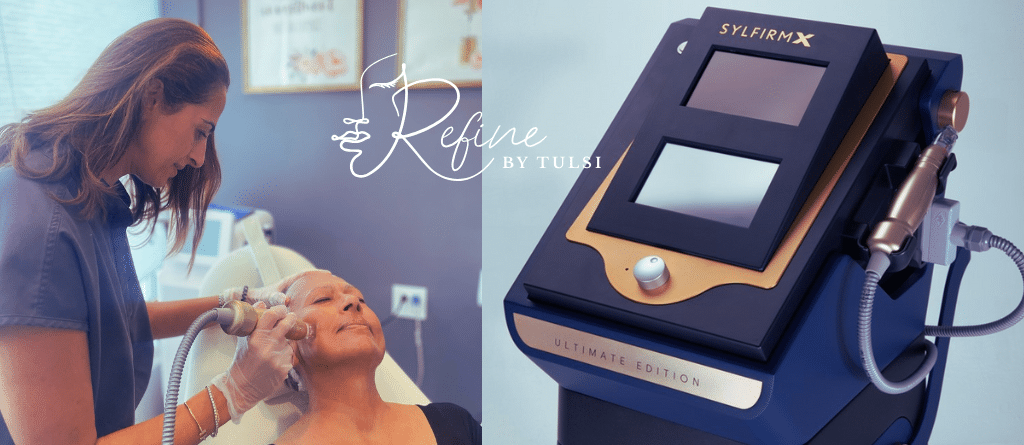
At Refine by Tulsi, we use the Sylfirm X — the only RF microneedling device with a pulsed-wave mode specifically designed to treat melasma safely. This guide explains why it works when everything else fails, what the treatment looks like, and what realistic results you can expect.
Why Melasma Is So Hard to Treat
Melasma isn’t ordinary hyperpigmentation. Understanding why it’s different changes everything about how it should be treated.
Typical hyperpigmentation — sun spots, post-inflammatory marks from acne — involves excess melanin sitting in the upper layers of the skin. Target that melanin with a laser, peel, or brightening agent and it breaks up and fades. The process is straightforward and predictable.
Melasma is fundamentally different. It involves:
- Hyperactive melanocytes — The pigment-producing cells in melasma-affected skin are persistently overactive, not just temporarily stimulated. They respond to triggers (UV, heat, hormones) by producing melanin at an accelerated rate. Remove the pigment and the melanocytes just make more.
- Abnormal vascular network — Melasma patches have a significantly denser network of blood vessels than surrounding skin. This vascularity feeds the melanocytes and creates the inflammatory environment that sustains pigment production. This vascular component is the key that most treatments miss.
- Hormonal sensitivity — Estrogen, progesterone, and other hormones directly stimulate melanocyte activity, which is why melasma often appears or worsens during pregnancy, oral contraceptive use, hormone replacement therapy, and perimenopause. Treating the pigment without addressing hormonal drivers is fighting with one hand tied.
- Heat sensitivity — Melanocytes in melasma-prone skin are exquisitely sensitive to thermal stimulation. Even moderate heat — from lasers, RF devices, sun exposure, or hot yoga — can trigger a rebound flare. This is why most energy-based treatments worsen melasma.
- Chronic, relapsing nature — Melasma is a chronic condition, not a one-time problem. It can be improved dramatically, but the tendency for melanocytes to overproduce pigment in response to triggers is permanent. Management requires ongoing strategy, not a single treatment.
Treatments That Commonly Worsen Melasma
IPL / BBL: Broad-spectrum light generates significant heat → triggers melanocyte activation → rebound hyperpigmentation. Not recommended for melasma.
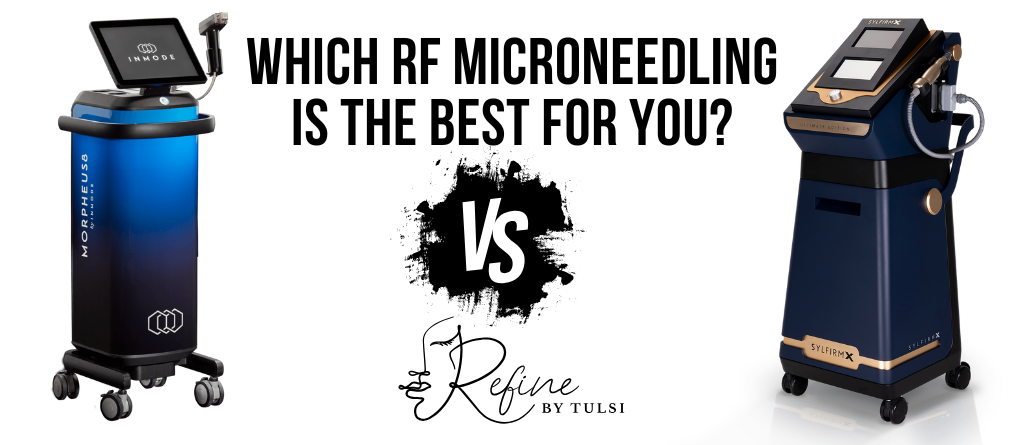
Traditional RF microneedling (Morpheus8, Potenza): Continuous-wave RF delivers sustained heat → same melanocyte trigger → risk of worsening. Not designed for melasma.
Aggressive laser resurfacing (CO2, Fraxel): High thermal energy → severe rebound risk, especially in darker skin tones. Generally contraindicated for melasma.
Deep chemical peels: Controlled injury is effective for some pigmentation, but medium-depth and deep peels in melasma can trigger post-inflammatory hyperpigmentation that compounds the original problem.
How Sylfirm X’s Pulsed-Wave Mode Changes the Game
Sylfirm X is the only RF microneedling device with a dedicated pulsed-wave (PW) mode — and this is what makes melasma treatment possible.
Instead of delivering a continuous stream of heat (which is what every other RF device does), PW mode delivers RF energy in ultra-short repeated bursts. Between each burst, the tissue has a microsecond to cool. The cumulative effect:
- Targets the abnormal vasculature — PW energy selectively disrupts the abnormal blood vessels that feed melanocyte overactivity. By cutting the vascular supply, you reduce the inflammatory environment that sustains pigment production. This addresses the root cause, not just the visible pigment.
- Minimizes thermal spread — The pulsed delivery means heat doesn’t accumulate in surrounding tissue. Melanocytes aren’t thermally stimulated because the temperature rise is controlled and brief.
- Remodels the basement membrane — PW mode targets the dermal-epidermal junction where melanin transfer occurs. By remodeling this zone, it normalizes the pathway through which excess pigment reaches the skin surface.
- Safe across all Fitzpatrick types — The reduced thermal profile makes PW mode safe for Fitzpatrick IV–VI skin — the same skin tones most at risk for melasma and most underserved by traditional laser treatments.
The Mechanism Simplified
Other devices try to destroy the pigment. Sylfirm X PW mode disrupts the system that produces the pigment. It’s the difference between mopping the floor while the faucet is running (traditional treatments) and turning off the faucet (Sylfirm X PW).
Our Melasma Protocol at Refine by Tulsi
Melasma requires a multi-layer approach. Sylfirm X is the centerpiece, but it’s not the only tool. Here’s the complete protocol we use:
Layer 1: Sylfirm X Pulsed-Wave Series (Core Treatment)
4–6 sessions spaced 3–4 weeks apart. PW mode targets the vascular component and basement membrane, progressively reducing the melanocyte environment. Each session builds on the last. Results become visible after sessions 2–3 and continue improving for months after the series.
Layer 2: Aerolase Neo (Surface Pigment and Redness)
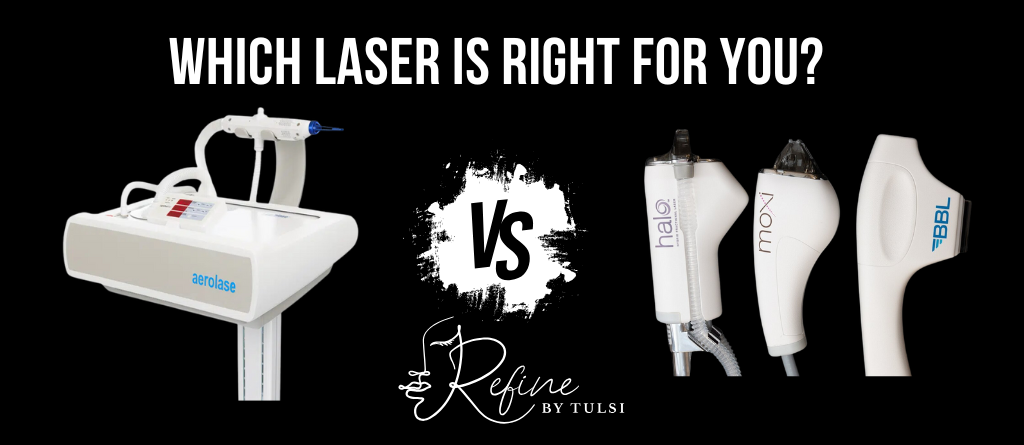
Aerolase’s 650-microsecond pulse targets surface hemoglobin and melanin without generating the sustained heat that triggers melanocytes. We alternate Aerolase sessions between Sylfirm X treatments to address the visible pigment and redness while Sylfirm X works on the deeper vascular architecture.
Layer 3: Targeted Chemical Peels
Gentle chemical peels — typically lactic acid or mandelic acid — accelerate surface pigment turnover without the thermal risk of deeper peels. We use these strategically, not aggressively, to support the cellular turnover that moves excess melanin out of the skin.
Layer 4: Medical-Grade Skincare
Prescription-strength brightening agents (tranexamic acid, arbutin, niacinamide, azelaic acid) combined with retinoid therapy and rigorous SPF 50 daily. SkinBetter Science and Alastin both offer medical-grade formulations designed for pigmentation-prone skin. Skincare isn’t optional for melasma — it’s half the protocol.
Layer 5: Hormonal Assessment
For melasma patients whose pigmentation correlates with hormonal changes — pregnancy, birth control, perimenopause — we evaluate whether hormone optimization can help stabilize the hormonal triggers driving melanocyte activation. Our Refine Her program is particularly relevant for perimenopausal women with worsening melasma.
Layer 6: Internal Support
GHK-Cu peptide therapy for collagen support and anti-inflammatory benefit. IV glutathione for systemic antioxidant and skin-brightening effects. Vitamin C injections for melanin inhibition from the inside out. These internal supports amplify the external treatments and help maintain results.
Melasma Treatment Comparison: What’s Safe and What’s Not
| Treatment | Melasma Safe? | Why / Why Not | Our Recommendation |
|---|---|---|---|
| Sylfirm X PW mode | Yes ✓ | Pulsed wave targets vasculature without sustained heat | Core treatment — 4–6 sessions |
| Aerolase Neo | Yes ✓ | 650μs pulse minimizes thermal melanocyte activation | Complement to Sylfirm X for surface pigment |
| Gentle chemical peels | Yes ✓ | Superficial acids accelerate pigment turnover without heat | Strategic use between energy-based sessions |
| Microneedling (no RF) | Caution | Mechanical only — no thermal risk, but inflammation can trigger PIH in some patients | Use with caution; PRF can help |
| Morpheus8 / Potenza | No ✗ | Continuous-wave RF generates sustained heat → melanocyte activation | Not recommended for melasma |
| IPL / BBL | No ✗ | Broad-spectrum light absorbed by melanin → thermal triggering | Not recommended for melasma |
| CO2 laser | No ✗ | High thermal energy → severe rebound risk | Contraindicated for melasma |
| Q-switched lasers | Mixed | Low-fluence can help some patients; high-fluence worsens | Operator-dependent; we prefer Sylfirm X |
What Realistic Results Look Like
Let’s set honest expectations — because overpromising is what makes patients distrust melasma treatments.
- After 2 sessions: Most patients notice the melasma patches are lighter and the surrounding skin tone is more even. The redness/vascular component typically improves first.
- After 4 sessions: Significant improvement in pigmentation depth and contrast. The patches are still visible but dramatically reduced. Texture and overall skin quality improved.
- After 6 sessions: Maximum improvement from the initial series. For many patients, melasma is 50–80% improved — a transformative change even if it’s not 100% clearance.
- Long-term maintenance: Melasma is a chronic condition. After the initial series, most patients do 1–2 maintenance sessions every 3–6 months, combined with consistent skincare and SPF. The goal is sustained improvement, not a one-time cure.
What we don’t promise: complete elimination. Melasma can be dramatically improved, but the underlying tendency for melanocyte overactivity remains. Triggers (sun, hormones, heat) can cause flares even after successful treatment. Honest expectations and a maintenance plan are essential.
Real Patient Experiences
I’ve had melasma for 12 years. I’ve tried hydroquinone, three different chemical peels, IPL (which made it worse), and a laser that my dermatologist recommended (also worse). When Dr. Kotecha explained the vascular mechanism and why pulsed-wave RF is different, it was the first time someone had explained WHY my melasma kept coming back instead of just throwing another treatment at it. Four Sylfirm X sessions later, my skin is more even than it’s been since before my first pregnancy.
My melasma appeared during pregnancy and never went away. Eight years of topical creams with marginal improvement. Dr. Kotecha started me on Sylfirm X PW mode with Aerolase between sessions and upgraded my skincare to SkinBetter’s brightening line. The combination approach was the key — no single treatment alone had ever worked, but layering them strategically did. My melasma is about 70% improved and still getting better.
I’m a Black woman with Fitzpatrick VI skin and melasma along both cheeks. Every dermatologist I saw said lasers were too risky for my skin tone. Dr. Kotecha treated me with Sylfirm X pulsed wave and I had zero complications — no burns, no PIH, just gradual, genuine improvement. Five sessions in and the difference is remarkable. Finding a device and a physician who could safely treat both my melasma and my skin tone in one treatment changed everything.
Frequently Asked Questions
Will my melasma come back after treatment?
Melasma is a chronic condition with a tendency to relapse, especially with sun exposure, hormonal changes, or heat exposure. Sylfirm X dramatically reduces pigmentation, but maintenance sessions (every 3–6 months), rigorous SPF, and consistent skincare are essential to sustain results. Think of it like managing any chronic condition — the goal is long-term control, not a one-time cure.
Is Sylfirm X painful for melasma treatment?
We apply topical numbing 30–45 minutes before treatment. With numbing, most patients rate PW mode discomfort at 2–4 out of 10 — a mild warm, prickling sensation. PW mode is generally more comfortable than CW mode because the pulsed energy generates less sustained heat.
Can I use Sylfirm X if I’m pregnant or breastfeeding?
We do not perform Sylfirm X during pregnancy or breastfeeding as a precautionary measure. If your melasma appeared during pregnancy, we recommend starting treatment after breastfeeding concludes, with interim management through topical skincare and SPF.
How does this compare to prescription hydroquinone?
Hydroquinone suppresses melanin production topically and can lighten melasma, but it doesn’t address the vascular component or basement membrane dysfunction. Long-term hydroquinone use also carries risks (ochronosis, rebound pigmentation when stopped). We use short-term hydroquinone as one part of a comprehensive protocol — not as the sole treatment. Sylfirm X addresses the underlying mechanisms that topicals cannot reach.
Can I get Sylfirm X for melasma if I have dark skin?
Yes — and this is one of Sylfirm X’s most important advantages. Pulsed-wave mode’s controlled thermal profile makes it safe for Fitzpatrick IV–VI skin, which is disproportionately affected by melasma and disproportionately excluded from laser-based treatments. Combined with Aerolase (also safe for all skin tones), our full melasma protocol is accessible to every skin tone.
How much does the melasma protocol cost?
Sylfirm X PW sessions typically range from $600–$1,200 per session depending on treatment area. A full 4–6 session series with alternating Aerolase treatments and peels is a significant investment — but for patients who’ve spent years and thousands of dollars on treatments that didn’t work or made things worse, the targeted approach often costs less in total than the cumulative failed attempts.
The Bottom Line
Melasma has resisted treatment for decades because most devices treat the pigment while ignoring — or actively worsening — the vascular and inflammatory environment that produces it. Sylfirm X’s pulsed-wave mode is the first RF microneedling technology designed to address the cause, not just the symptom.
When layered with Aerolase for surface pigment, gentle peels for turnover, medical-grade skincare for daily management, and hormonal assessment for underlying triggers — melasma patients finally have a protocol that works with their biology instead of against it.
At Refine by Tulsi, we’ve seen the difference this approach makes. Patients who’d given up on their melasma are seeing sustained improvement for the first time. If you’ve been told “there’s nothing else to try” — there is. The technology just needed to catch up to the complexity of the condition.
Ready to Finally Treat Your Melasma the Right Way?
Schedule your melasma consultation at our Lincoln Park or Logan Square location. We’ll assess your pigmentation, skin type, and triggers, and build a multi-layer protocol designed for lasting improvement — not another temporary fix.
About Dr. Tulsi Kotecha
Dr. Tulsi Kotecha is the founder and medical director of Refine by Tulsi, a physician-led aesthetic and wellness practice with locations in Lincoln Park and Logan Square, Chicago. She specializes in advanced pigmentation treatment, RF microneedling, laser therapy, and integrative longevity medicine. Learn more about Dr. Kotecha.
This article is for educational purposes and does not constitute medical advice. Melasma treatment should be administered under the guidance of a qualified physician. Individual results may vary.