
Non-Surgical Blepharoplasty in Chicago
Brighter, tighter eyes — without a scalpel, stitches or a week off.
Tired-looking, hooded or crepey eyelids are often the first place aging shows. Non-surgical blepharoplasty at Refine by Tulsi uses the physician-operated iLaser 1940 to gently tighten and smooth the eyelid skin — lifting mild-to-moderate hooding and softening fine, crepey texture, with no incisions. It's a refresh, honestly scoped: not a replacement for surgery, and only offered when it's genuinely right for you.
- Physician-Performed
- No Incisions
- iLaser 1940
What is non-surgical blepharoplasty?
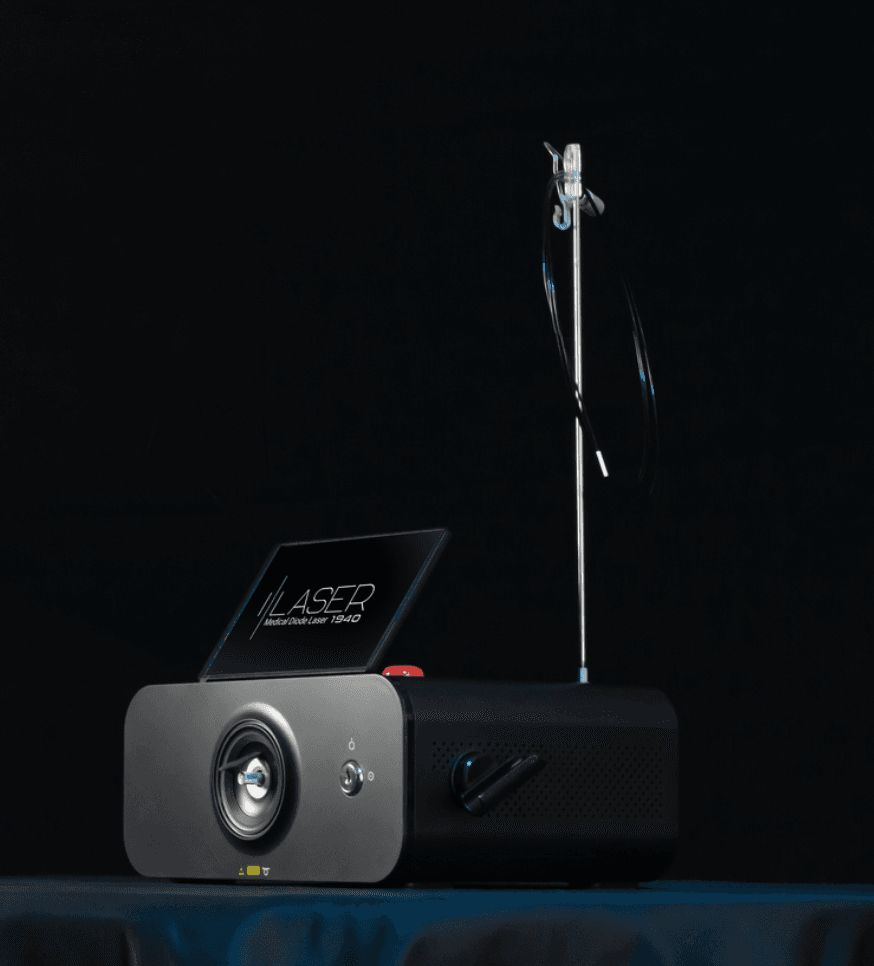
"Non-surgical blepharoplasty" is a nickname for a non-surgical eyelid-tightening treatment — not the surgery. At Refine by Tulsi in Chicago, it uses the physician-operated iLaser 1940, a 1940 nm laser, to heat the eyelid skin in a controlled way and stimulate collagen, tightening and smoothing mild-to-moderate hooding and crepiness around the eyes — with no cutting. It suits early, skin-level changes; it does not remove excess skin, remove or reposition fat "bags," or lift a drooping eyelid — those need surgical blepharoplasty, and we'll tell you if that's the better path. Results build gradually, are not permanent, and vary from person to person.
The tired-eye look, softened
The skin around the eyes is the thinnest on the face, so it's usually the first to loosen, wrinkle and look tired — long before you feel it anywhere else. When the change is early and skin-level, you don't always need surgery to look refreshed.
Non-surgical blepharoplasty is for early hooding and crepiness — a subtle lift, not a reconstruction.
By tightening and smoothing the eyelid skin itself, the iLaser 1940 can soften a heavy, aged look and brighten the eyes. It works best as an early, maintainable refresh — and we're candid when the change has gone beyond what skin tightening can do.
The iLaser 1940, on the most delicate skin you have
A physician-operated 1940 nm laser that tightens eyelid skin by working with your own collagen — precisely, and with the eyes protected throughout.
Precise laser energy
The iLaser 1940 delivers controlled 1940 nm energy to the eyelid skin, gently heating the deeper layers without a blade — targeted to the delicate periorbital area by a physician.
Collagen tightens
That controlled heat prompts the skin to contract and to build fresh collagen over the following weeks — the process behind the gradual firming and smoothing you see.
A brighter, lifted look
As collagen renews, mild hooding softens and crepey texture improves, for eyes that look more rested — subtle and natural, never "done."
Non-surgical vs surgical blepharoplasty
"Non-surgical blepharoplasty" is a nickname for a skin-tightening treatment — not a smaller version of the operation. Here's the honest difference, so you choose the right one.
We use "non-surgical blepharoplasty" because it's what people search for — but it is not surgery and not equivalent to it. It tightens and smooths eyelid skin. It does not cut, it does not remove skin or fat, and it can't lift a truly drooping lid. When your anatomy calls for surgery, the honest answer is surgery — and we'll say so and refer you.
On this skin, safety is everything
Working millimeters from the eye is not something to hand off or hurry. Here's how we keep it safe.
Physician-performed
Your treatment is carried out by a physician who knows periorbital anatomy — not delegated. Precision here isn't optional.
Protective eye shields
Purpose-made shields protect the eye itself throughout, so the laser only ever treats the skin it's meant to.
Controlled & conservative
Settings are dialed to your skin, and we treat conservatively — a measured refresh, never an aggressive one, on the body's most delicate skin.
Even done well, any laser treatment carries some risk — temporary redness, swelling, lightening or darkening of the skin, and rarely more. Your physician reviews all of this with you first.
An honest look at candidacy
You may be a good candidate if you…
- Have mild-to-moderate loose or crepey eyelid skin
- Look tired despite feeling rested, from skin-level changes
- Want a subtle refresh without incisions or real downtime
- Aren't ready for surgery, or want to delay it
- Have realistic expectations about a gradual, non-permanent result
Surgery is likely the better path if you…
- Have significant excess or overhanging upper-eyelid skin
- Have prominent under-eye "bags" from herniated fat
- Have a truly drooping eyelid (ptosis) or skin blocking your vision
- Want a dramatic, long-lasting, one-time correction
- Have an eye condition or active infection in the area
A consultation is the only way to know which side you fall on. If surgery would serve you better, we'll tell you plainly and point you to the right specialist.
From consultation to a rested look
Consultation
A physician assesses your eyelid skin and goals and confirms whether the iLaser 1940 is right — or whether surgery would serve you better.
Comfort & protection
The area is numbed for comfort and protective eye shields are placed before any laser energy is delivered.
The treatment
The physician treats the eyelid skin precisely with the iLaser 1940. Most sessions are quick, and you head home the same day.
Recovery & results
Expect a few days of redness, swelling and possible light peeling. Tightening builds over the following weeks; a short series may be advised.
A physician on the most delicate skin you have

Dr. Tulsi Kotecha, MD
Board-certified in Internal Medicine and Aesthetic Medicine and trained at University College London and the University of Bristol, Dr. Kotecha is known for natural, restrained results — the kind that make you look rested, not "worked on." Around the eyes that philosophy matters most: conservative settings, eye protection, and an honest answer about whether laser tightening or surgery is truly the right call for you.
More about Dr. KotechaYour questions, answered honestly
What is non-surgical blepharoplasty?
It's a nickname for a non-surgical eyelid-tightening treatment — not the surgery. At Refine by Tulsi it uses the physician-operated iLaser 1940, a 1940 nm laser, to heat the eyelid skin in a controlled way and stimulate collagen, which tightens and smooths mild-to-moderate hooding and crepiness around the eyes without any incisions. It refreshes early, skin-level changes; it doesn't remove skin or fat or lift a drooping lid.
How does the iLaser 1940 tighten the eyelids?
The iLaser 1940 delivers precise 1940 nm laser energy that gently heats the deeper layers of the eyelid skin. That controlled heat prompts existing collagen to contract for some immediate firming, and stimulates new collagen to form over the following weeks. As that collagen renews, the skin tightens and smooths. The whole treatment is physician-performed with protective eye shields in place.
Is this the same as surgical blepharoplasty?
No. Despite the name, it is not surgery and not equivalent to it. Surgical blepharoplasty removes or repositions excess eyelid skin and fat and can lift a drooping lid; non-surgical blepharoplasty only tightens and smooths the skin. It suits milder, skin-level changes with far less downtime, but the results are subtler and not permanent. If your anatomy calls for surgery, we'll tell you and refer you.
Who is a good candidate?
The best candidates have mild-to-moderate loose or crepey eyelid skin and want a subtle refresh without incisions or real downtime. It's not the right choice for significant excess or overhanging skin, prominent under-eye fat bags, a truly drooping eyelid, or skin heavy enough to affect vision — those need surgical evaluation. A consultation confirms which path fits you.
Is it safe around the eyes?
The eye area is the most delicate on the face, so safety is the priority. Your treatment is physician-performed, protective eye shields guard the eye itself throughout, and settings are kept conservative and tailored to your skin. As with any laser treatment, some risks remain — temporary redness, swelling, or changes in skin color, and rarely more — and your physician reviews all of them with you beforehand.
What is the downtime?
Most people have a few days of redness and mild swelling around the eyes, and sometimes light flaking or peeling as the skin renews. It's generally much less than surgical eyelid recovery, but it isn't zero — plan for a few low-key days, and your team will give you specific aftercare to follow.
When will I see results, and how long do they last?
You may notice some firming early, but the real change builds gradually over several weeks as new collagen forms, and a short series of sessions is often recommended for the best result. Because it works with your own collagen rather than removing tissue, results are not permanent — skin continues to age — so occasional maintenance keeps them looking their best. Results vary from person to person.
Is it FDA-approved?
The iLaser 1940 is an FDA-cleared laser device; "cleared" is not the same as "approved," and no laser can be marketed as an FDA-approved cure for eyelid aging. We're precise about that language. What matters most is that the treatment is performed by a physician, on appropriate candidates, with the eyes protected — and that we're honest when surgery would serve you better.
Refresh tired eyes — the honest, non-surgical way.
Book a consultation in Chicago to find out whether non-surgical blepharoplasty with the iLaser 1940 is right for you — and to get a straight answer if surgery would serve you better.
(618) 298-8574Chicago, IL 60614
Chicago, IL 60647
Medical disclaimer: "Non-surgical blepharoplasty" is a descriptive nickname for a non-surgical laser skin-tightening treatment of the eyelid area; it is not surgical blepharoplasty and is not equivalent to surgery. It does not remove eyelid skin or fat, does not correct eyelid drooping (ptosis), and is not a treatment for any medical eye condition. The iLaser 1940 is an FDA-cleared laser device; "FDA-cleared" is not the same as "FDA-approved," and no specific outcome is promised. This treatment is intended for mild-to-moderate skin laxity and crepiness, results are gradual, not permanent, and vary by individual, and possible effects include redness, swelling, and temporary changes in skin pigmentation. All treatments require an in-person medical evaluation and are provided only where clinically appropriate; when surgery is more suitable, a referral is recommended. This page is general educational information, not medical advice. Please consult a qualified physician about your individual care.